
When one thinks of Indonesia, vibrant landscapes and rich culture often come to mind. Yet, tucked away in the fabric of this diverse nation is a unique architectural gem known as the rumah perjaka. These bachelor houses hold more than just bricks and mortar; they embody traditions, stories, and a way of life that has persisted through time. As we embark on this journey into the heart of rumah perjaka, we’ll uncover its historical significance, stunning designs, and how it continues to thrive in modern society. Get ready to explore an aspect of Indonesian culture that many may overlook but which holds profound meaning for those who call it home!
History of Bachelor Houses in Indonesia
Bachelor houses, or Rumah Perjaka, have roots that trace back to Indonesia’s rich cultural heritage. Traditionally, these homes served as communal living spaces for young men. They symbolized freedom and camaraderie during a pivotal phase of life.
In rural areas, the concept flourished as boys transitioned into adulthood. It was not merely about shelter; it offered an essential social structure where values were shared, and lifelong friendships were forged.
Historically, Rumah Perjaka reflected local customs and practices unique to various regions. Each house had its distinctive flair while adhering to the core idea of brotherhood among single men.
The evolution of these bachelor houses mirrors societal changes in Indonesia. As modernization sweeps through urban centers, traditional designs are often juxtaposed with contemporary styles—creating a fascinating blend of old and new narratives in architecture.
Architecture and Design of Rumah Perjaka
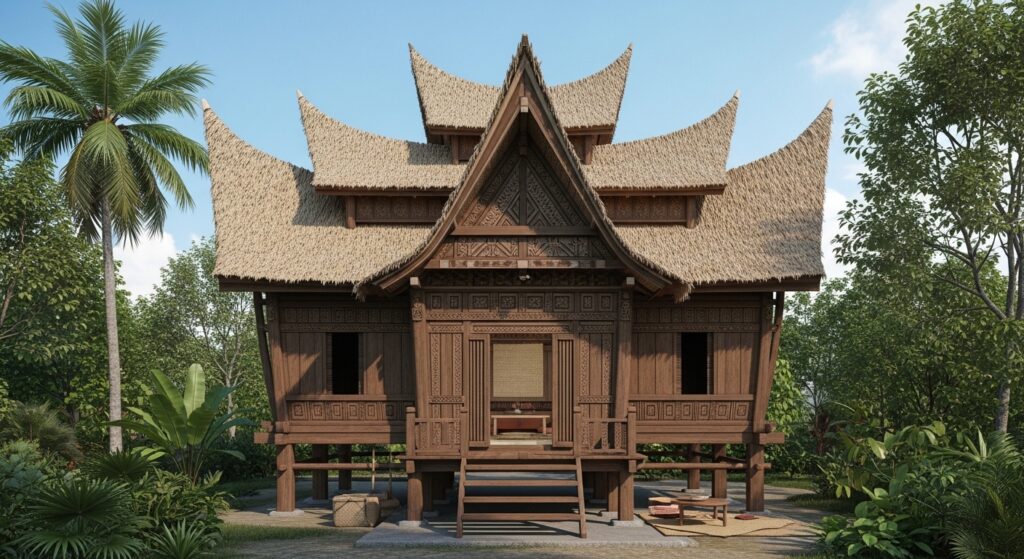
The architecture of Rumah Perjaka showcases a blend of practicality and traditional aesthetics. These bachelor houses often feature wooden structures, reflecting local materials and craftsmanship.
Elevated floors are common, allowing for ventilation in Indonesia’s tropical climate. This design choice also keeps the living areas dry during heavy rains.
Large windows allow natural light to flood the interiors while providing views of lush surroundings. The roofs typically have steep pitches adorned with intricate carvings, adding visual interest.
Spaces within Rumah Perjaka are organized efficiently. Common areas promote social interaction among residents, while private rooms provide personal retreats.
Decorative elements often include cultural motifs that tell stories or represent family heritage. Each house is more than just shelter; it embodies community spirit and tradition through its thoughtful design choices.
Significance and Purpose of Rumah Perjaka
The rumah perjaka holds a special place in Indonesian culture. Traditionally, these bachelor houses serve as a sanctuary for young men entering adulthood. They symbolize independence and responsibility.
Living in a rumah perjaka provides an opportunity to learn essential life skills. Cooking, cleaning, and managing finances become part of daily life. This environment encourages personal growth and self-reliance.
Socially, the rumah perjaka fosters camaraderie among its residents. Friends often gather here, sharing experiences and forming lifelong bonds. These interactions help build strong community ties.
Moreover, the house serves as a cultural hub where traditions are passed down through generations. Festivals and rituals are celebrated within its walls, reinforcing cultural identity.
The significance of rumah perjaka extends beyond mere shelter; it shapes character while nurturing relationships within the wider community.
Unique Features and Traditions of Living in a Bachelor House
Living in a rumah perjaka brings with it unique traditions that reflect the vibrant culture of Indonesia. Each house often serves as a social hub, where friends gather to share stories and laughter.
The communal atmosphere fosters strong bonds among residents. They partake in traditional cooking sessions, preparing local dishes that resonate with their heritage.
Decor plays an essential role too. Many bachelor houses are adorned with art pieces and crafts from various regions, showcasing the country’s rich artistic diversity.
House rituals also hold significance. Regular gatherings for prayer or celebration reinforce community ties and respect for cultural values.
Additionally, these homes echo sustainable living practices passed down through generations. Reusing materials during construction is common, preserving both the environment and tradition.
With each aspect reflecting deeper meanings, life within a rumah perjaka is anything but ordinary; it’s an experience steeped in history and camaraderie.
The Modernization and Preservation of Rumah Perjaka
Modernization has ushered in changes to the traditional concept of rumah perjaka. Younger generations are rethinking these bachelor houses, blending old aesthetics with contemporary needs.
Some have introduced eco-friendly materials and open layouts, creating spaces that resonate with both tradition and modern living. Technology plays a significant role too, as smart home features make their way into these once-simple abodes.
Despite these changes, there’s a strong push for preservation. Cultural enthusiasts advocate for maintaining the architectural integrity while updating functionality. Community programs focus on educating youth about their heritage through workshops and events centered around rumah perjaka.
These efforts ensure that while styles may evolve, the essence of what made rumah perjaka special remains intact. The balance between innovation and conservation speaks volumes about cultural pride in Indonesia today.
Conclusion
The cultural richness of Rumah Perjaka is profound. These bachelor houses offer a glimpse into the traditional Indonesian way of life, showcasing values that have been cherished for generations. They stand as monuments to community and familial bonds, serving as gathering places where friendships are forged and memories created.
As we explore these unique structures, we see more than just architectural designs; we witness stories interwoven with the fabric of Indonesian society. The traditions associated with living in a Rumah Perjaka provide insight into the social dynamics among young men preparing for their futures.
In an era where modernity often overshadows tradition, efforts to preserve these bachelor houses become even more crucial. They remind us of our roots while adapting to contemporary needs. Recognizing their significance not only enriches our understanding but also helps ensure that future generations appreciate this slice of cultural heritage.
Embracing the essence of Rumah Perjaka fosters pride in Indonesia’s diverse cultures and encourages exploration beyond mere physical structures—bridging past and present through shared experiences within these walls.