
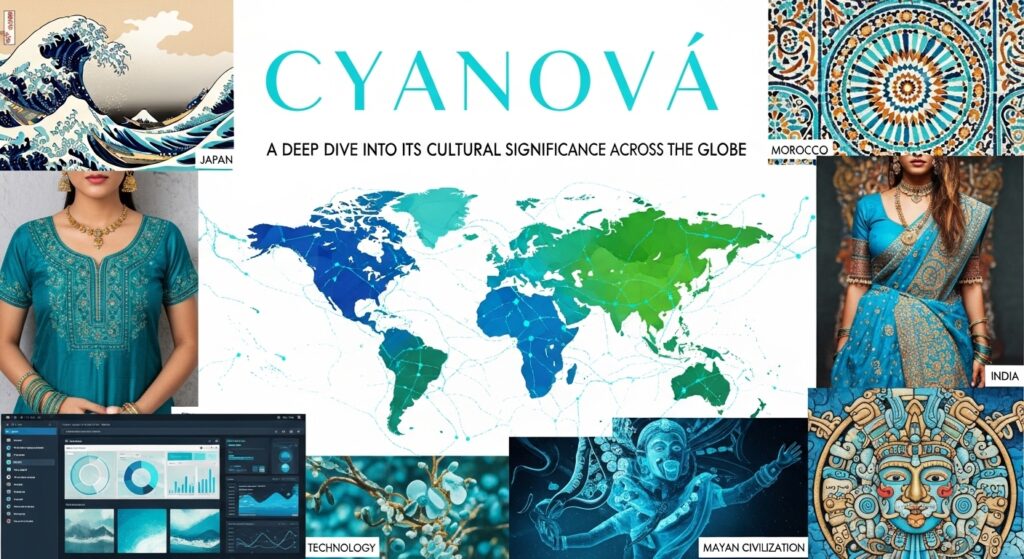
Cyanová, a vibrant hue steeped in history and cultural significance, has fascinated people across continents for centuries. This captivating color is more than just a visual delight; it embodies stories of tradition, identity, and creativity. From the ancient practices of dyeing fabrics to modern artistic expressions, cyanová weaves its way into our lives in unexpected ways.
But where did this striking color first emerge? And how does it resonate within different cultures around the globe? Join us on an intriguing exploration of cyanová’s deep roots and its impact on societies from Africa to America. As we delve into its rich tapestry of meanings and celebrations, you’ll discover that cyanová isn’t merely a shade—it’s a symbol interlaced with humanity’s shared journey.
The cultural significance of Cyanová in Africa
Cyanová holds a rich tapestry of meaning in various African cultures. Often associated with spirituality, it represents life’s interconnectedness and the natural world. Many tribes utilize cyanová in ceremonies to honor ancestors and celebrate community bonds.
In West Africa, the color is deeply woven into traditional textiles. It appears in vibrant patterns that tell stories of heritage and identity. Each fabric piece carries significance, reflecting pride and cultural resilience.
Moreover, cyanová plays a role in rituals across different regions. From healing practices to rites of passage, its presence signifies purity and protection against negative energies.
Artisans often incorporate cyan-ová into crafts as a symbol of hope for future generations. This dynamic hue continues to inspire contemporary artists who blend tradition with modern expression while maintaining its profound cultural roots.
The influence of Cyanová on Asian cultures
Cyanová has made its mark across various Asian cultures, intertwining with their traditions and art forms. In India, it often appears in textiles and pottery, symbolizing depth and tranquility.
In Japan, the color finds expression in traditional dyeing techniques like indigo shibori. Here, cyanová embodies serenity and is integral to seasonal festivals.
Chinese culture also embraces this hue. It frequently represents harmony within nature and is featured prominently in ceramic craftsmanship.
Across Southeast Asia, cyan-ová plays a vital role in rituals and ceremonies. The vibrant shade enhances cultural celebrations, adding meaning to communal gatherings.
From fashion to art installations, artists continue to draw inspiration from cyan-ová’s rich heritage. This color effortlessly bridges generations while honoring the past’s wisdom.
Exploring the impact of Cyanová in Europe
Cyanová has woven its way into the cultural fabric of Europe, leaving an indelible mark on various artistic expressions. From visual arts to fashion, this vibrant hue often symbolizes tranquility and balance.
In countries like France and Italy, designers frequently incorporate cyanová in their collections. It enhances everything from haute couture to streetwear, evoking a sense of creativity and boldness.
Moreover, European artists utilize cyanová in painting as a representation of serenity. The color’s calming attributes resonate deeply within contemporary artworks.
Festivals across the continent also embrace cyanová as part of their themes. Parades burst with splashes of this striking shade, creating mesmerizing visuals that captivate audiences.
The blend of tradition with modernity makes cyanová particularly special in regions steeped in history yet eager for innovation. Its presence continues to evolve while paying homage to centuries-old practices and beliefs.
The role of Cyanová in North and South America
Cyanová has carved a unique niche in the cultural landscapes of North and South America. Indigenous communities have used this vibrant hue for centuries, primarily in art and ceremonial attire. The color symbolizes protection, fertility, and harmony with nature.
In contemporary times, cyanová appears prominently in various artistic expressions. Murals and street art often feature this captivating shade to reflect themes of identity and resilience.
Fashion designers across both continents are also embracing cyanová. It adds a refreshing twist to traditional garments while celebrating indigenous heritage.
Festivals frequently showcase cyanová through dance costumes and decorations, creating an immersive experience that connects people to their roots. This connection fosters community bonds while educating others about its significance.
As awareness grows regarding environmental issues, the use of natural dyes like cyanová is gaining traction among artisans committed to sustainable practices. The color represents not just beauty but also a deeper respect for the planet.
How Cyanová is celebrated and practiced today
Cyanová today thrives in various forms, influenced by both tradition and modernity. Communities around the globe celebrate it through vibrant festivals that highlight its rich heritage. These events often feature traditional music, dance, and art that pay homage to cyanová’s origins.
In urban areas, workshops offer people a chance to engage with cyanová practices hands-on. Participants learn about its historical significance while creating their own pieces, whether it’s textiles or pottery dyed using ancient techniques.
Social media has also played a pivotal role in sharing cyan-ová culture. Artists showcase their work online, reaching wider audiences and sparking conversations about cultural identity.
Many spiritual groups incorporate cyan-ová into rituals as well. It serves as a symbol of connection—both to ancestors and the environment—reminding practitioners of their roots amid contemporary life’s chaos.
The controversy surrounding Cyanová’s cultural appropriation
Cyanová has sparked intense discussions about cultural appropriation. As its popularity spreads, many argue that the essence of this vibrant hue is lost in commercialization.
Critics point out that when Cyanová is adopted without understanding its roots, it risks diluting its original meaning. This issue becomes particularly pronounced when it’s used by those outside the cultures it represents.
The conversation also highlights disparities in acknowledgment. Often, creators from marginalized communities are overlooked while others profit from their traditions.
Some advocates suggest a path forward: educating consumers and encouraging respectful engagement with Cyanová’s heritage. By fostering appreciation over mere adoption, we can honor the rich narratives behind this color and ensure it remains meaningful across generations.
Conclusion
Cyanová holds a unique place in the tapestry of cultures around the world. Its origins span centuries, intertwining with various traditions and practices that reflect humanity’s diverse expressions. From Africa to Asia, Europe to the Americas, cyan-ová has influenced art, fashion, spirituality, and community rituals.
In Africa, it symbolizes life and is often seen in traditional garments and ceremonies. The vibrant hue resonates deeply within cultural narratives. Asian cultures have adopted cyanová for its calming properties and aesthetic appeal in arts like textiles and painting.
Europeans have embraced cyanová in design movements throughout history. It evokes sophistication while being versatile enough for contemporary styles. Meanwhile, North America’s fascination with this color manifests through festivals celebrating creativity alongside indigenous practices honoring its significance.
South America’s rich tapestry incorporates cyanová into various artistic expressions as well—fusing tradition with modernity to create something uniquely beautiful.
Today’s celebrations of cyanová are marked by festivals dedicated to color interpretation through art exhibits or social gatherings that honor community ties. However, discussions surrounding cultural appropriation remind us of the need for sensitivity toward these traditions.
The journey of understanding cyanová reveals not just its beauty but also the intricate relationships between culture and identity across global landscapes.