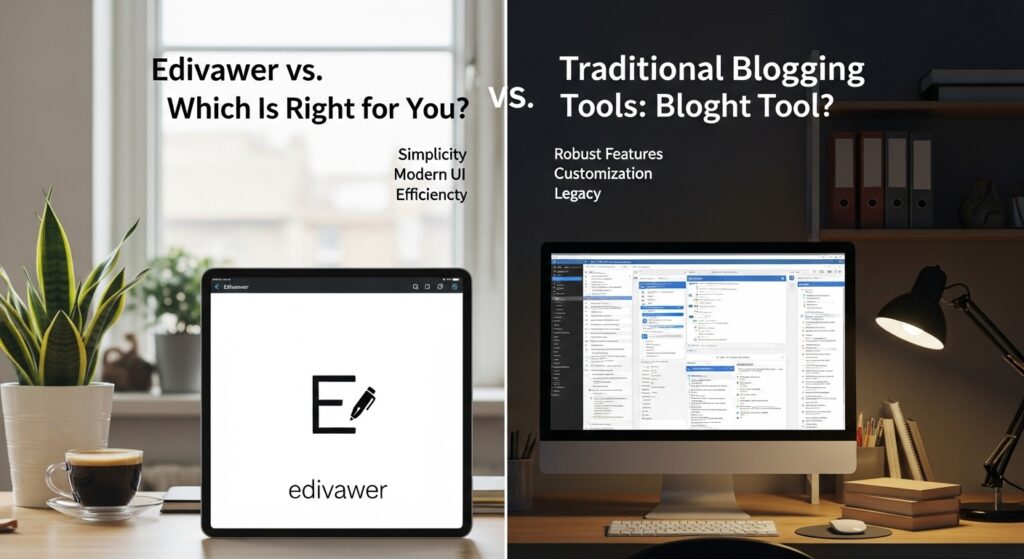
In the ever-evolving world of blogging, choosing the right tools can make or break your online presence. Enter Edivawer, a fresh contender in the blogging arena that promises to shake things up. With its innovative features and user-friendly interface, it stands in contrast to traditional blogging platforms that many have relied on for years. But is Edivawer really worth the hype? Or do established tools still reign supreme?
Whether you’re a seasoned blogger looking for an upgrade or a newbie venturing into this creative space, understanding the differences between Edivawer and traditional options is crucial. Let’s dive deep into what each platform offers so you can make an informed decision about which tool will best fit your unique needs.
Differences between Edivawer and traditional tools
Edivawer stands out for its user-friendly interface, designed for quick, effortless content creation. Traditional blogging tools often require a steeper learning curve. Many users find themselves overwhelmed by complex features.
With Edivawer, you can integrate multimedia elements easily. Traditional platforms might need additional plugins or coding knowledge to achieve similar results.
Collaboration is another key difference. Edivawer allows multiple users to work on a blog simultaneously, streamlining the editing process. In contrast, traditional tools may not facilitate teamwork as efficiently.
Customization options also vary significantly. While traditional tools offer extensive themes and templates, they can be daunting to navigate for beginners. Edivawer’s simplicity focuses on essential features without sacrificing creativity.
Support and resources differ greatly between these two types of platforms. Edivawer provides built-in guides that cater specifically to new bloggers, while traditional tools often rely on community forums or third-party tutorials.
Pros and cons of using Edivawer for blogging
Edivawer offers a fresh take on blogging. Its user-friendly interface appeals to beginners and seasoned writers alike. You can create stunning posts without needing extensive coding skills.
Customization is another highlight. Edivawer allows for unique layouts and designs, helping your blog stand out in a crowded space. The platform also supports multimedia integration, making it easy to enhance your content with images and videos.
However, there are drawbacks to consider. Some users may find the learning curve steep when first navigating its features. Additionally, while Edivawer provides various templates, the choices might feel limited compared to traditional tools that offer more extensive design options.
Cost can be another factor; subscription fees might deter budget-conscious bloggers looking for free alternatives. Weighing these pros and cons will help you decide if Edivawer aligns with your blogging goals.
Pros and cons of using traditional blogging tools
Traditional blogging tools offer familiarity and a rich array of features that many users appreciate. Platforms like WordPress, Blogger, and Medium provide extensive customization options. This flexibility allows bloggers to create unique designs tailored to their brand.
However, the learning curve can be steep for newcomers. Setting up a blog may take time and technical know-how. Some users find this daunting when starting out.
Support communities are robust for these platforms. Many tutorials and forums exist where you can seek help or inspiration from fellow bloggers.
On the flip side, traditional tools often come with hidden costs such as premium themes or plugins. These expenses can add up quickly if you’re not careful about budgeting.
Despite these challenges, countless successful blogs thrive on traditional platforms due to their established credibility and extensive functionalities. The experience remains rewarding for those willing to invest time in mastering them.
Factors to consider when choosing between Edivawer and traditional tools
When deciding between Edivawer and traditional blogging tools, consider your skill level. Edivawer tends to be user-friendly, catering to beginners. If you’re new to blogging, this can be a significant advantage.
Next, think about customization options. Traditional tools often provide extensive flexibility in design and functionality. This is crucial for bloggers looking for a unique identity.
Content type also matters. Are you focusing on long-form articles or multimedia content? Edivawer excels with visual storytelling, while traditional platforms may better serve text-heavy posts.
Budget plays a role too. Evaluate the costs associated with each option—Edivawer’s subscription model versus potential one-time fees of traditional tools could influence your decision.
Assess community support and resources available for learning. Strong communities around either choice can aid immensely in navigating challenges as they arise.
Real-life examples of successful bloggers using each platform
Many successful bloggers have harnessed the power of Edivawer to showcase their creativity. For instance, Sarah Thompson transformed her travel blog into a visually stunning platform using Edivawer’s intuitive design features. Her vibrant photos and engaging layouts captivate readers, leading to increased traffic and engagement.
On the flip side, traditional blogging tools still hold strong appeal. Consider John Miller, who has built a thriving tech blog on WordPress. His emphasis on SEO optimization and structured content has allowed him to attract a loyal audience over the years.
Both platforms foster unique success stories. While Edivawer empowers creatives with its user-friendly interface, traditional tools offer robust customization options that many seasoned bloggers appreciate. Each approach caters to different needs within the blogging community, proving there’s no one-size-fits-all solution in this dynamic landscape.
Conclusion
Choosing the right blogging tool can significantly impact your content creation journey. Edivawer offers a streamlined, user-friendly approach that appeals to those looking for efficiency and an intuitive design process. Its collaborative features can enhance teamwork, making it ideal for group projects.
On the other hand, traditional blogging tools have stood the test of time with robust functionalities and extensive customization options. They cater well to experienced bloggers who prefer more control over their site’s aesthetics and functionality.
Consider your individual needs, goals, and comfort level with technology when making a decision. Whether you lean towards the innovative capabilities of Edivawer or prefer the reliability of traditional tools will depend on what resonates most with your blogging style. Your choice should align with how you envision sharing your voice in the digital space while maximizing productivity and creativity along the way.