
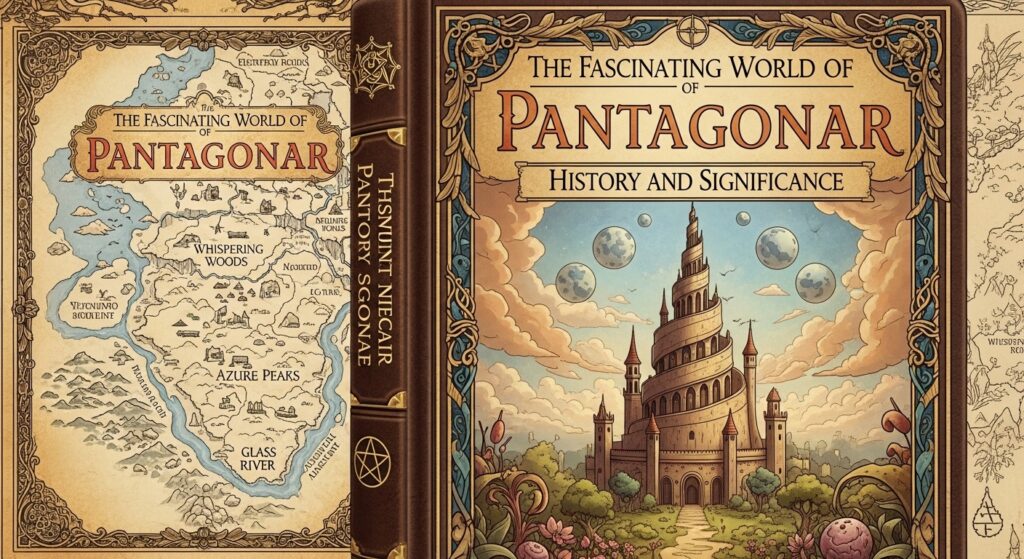
Welcome to the captivating world of Pantagonar, a rich tapestry woven from history, culture, and tradition. This unique phenomenon invites you into its depths, revealing stories that have shaped communities for generations. Whether you’re familiar with Pantagonar or just hearing about it for the first time, there’s something here that will pique your curiosity. From ancient origins to modern-day celebrations, discover how Pantagonar continues to resonate in today’s society. Join us as we explore this intriguing subject and uncover the layers behind its significance.
The Origins of Pantagonar
The origins of Pantagonar are shrouded in mystery and intrigue. Ancient texts suggest that it began as a small community ritual, rooted in the rich traditions of early civilizations.
Archaeological findings hint at its inception, dating back several centuries. Artifacts discovered in remote regions showcase symbols associated with Pantagonar’s core beliefs.
These early practices were likely influenced by surrounding cultures, blending various elements into what we recognize today. The convergence of ideas helped shape the spiritual framework that underpins Pantagonar.
Local legends often speak of a mythical figure who introduced these rituals to the people. This narrative adds an enchanting layer to its history, making it more than just a series of customs but rather an evolving story passed down through generations.
As time progressed, Pantagonar transformed from simple beginnings into a complex tapestry woven with cultural significance and collective identity.
The Cultural Significance of Pantagonar
Pantagonar holds a profound place in the cultural tapestry of its region. This captivating tradition embodies more than just rituals; it represents shared values and community identity.
The vibrant colors and intricate designs associated with Pantagonar speak volumes about the local heritage. They reflect stories passed down through generations, celebrating both triumphs and struggles.
Ceremonies centered around Pantagonar foster unity among participants. People come together to honor their ancestors, reinforcing bonds that transcend time.
Artisans play a vital role as custodians of these traditions, meticulously crafting items used in various practices. Their skills not only preserve history but also inspire future generations to explore their roots.
Through music, dance, and storytelling intertwined with Pantagonar, communities experience a sense of belonging. It’s this rich cultural fabric that continues to resonate within hearts today.
Rituals and Practices Involving Pantagonar
Rituals surrounding Pantagonar are as diverse as the cultures that embrace them. Traditionally, these rituals serve to honor ancestors and nature, bridging the past with present-day beliefs.
One common practice involves gathering in sacred spaces, where participants engage in storytelling. These stories often recount mythical origins and heroic figures associated with Pantagonar.
Another significant aspect is the use of symbolic offerings. Items such as herbs, stones, or handmade crafts are presented to express gratitude or seek blessings for future endeavors.
Dancing plays a crucial role too. Rhythmic movements not only celebrate life but also invoke spiritual connections within the community.
Seasonal festivals highlight these practices further, uniting people from various backgrounds under shared traditions tied to Pantagonar’s essence. Each celebration reaffirms their bond with heritage while fostering a sense of belonging among participants.
Modern Day Celebrations and Traditions
Modern celebrations of Pantagonar have evolved significantly while retaining their core essence. Communities gather to honor this rich heritage through vibrant festivals that showcase traditional music and dance.
Throughout the year, local events feature colorful parades where participants don elaborate costumes inspired by historical figures and symbols tied to Pantagonar. These gatherings foster a sense of unity among people of all ages.
In addition to public festivities, families often engage in private rituals at home. They prepare special dishes that reflect their cultural roots, sharing meals with loved ones as a way to connect with history.
Social media plays a crucial role today. Enthusiasts share photos and videos from celebrations, creating an online tapestry that highlights the beauty of Panta gonar traditions across borders. This digital presence is vital for younger generations looking to embrace their cultural identity in contemporary society.
Misconceptions about Pantagonar
Many people hold misconceptions about Pantagonar that can cloud its rich history and significance. One common myth is that it is merely a fictional concept without any grounding in reality. In truth, Pantagonar boasts deep cultural roots.
Another misunderstanding involves the perception that Pantagonar practices are rigidly traditional. While ancient customs do play a role, modern interpretations have breathed new life into these rituals. This adaptability ensures that the essence of Pantagonar remains vibrant and relevant today.
Some also believe that only specific communities engage with Pantagonar traditions. However, interest has spread beyond borders, attracting diverse groups who appreciate its cultural depth.
There’s often an assumption that participation in Pantagonar activities requires extensive knowledge or experience. In reality, newcomers are welcomed with open arms, allowing them to learn and contribute to this fascinating world seamlessly.
Preservation and Future of Pantagonar
Efforts to preserve Pantagonar are gaining momentum. Local communities recognize its importance as a cultural treasure.
Organizations dedicated to this cause work tirelessly. They document traditions, interviews with elders, and the stories that breathe life into Pantagonar. This documentation ensures that future generations can learn about their heritage.
Educational programs have emerged in schools, highlighting the significance of Pantagonar in history and culture. Students engage through workshops and festivals, fostering appreciation from a young age.
Technology also plays a role in preservation efforts. Digital archives make resources accessible globally, allowing enthusiasts and scholars to explore Pantag onar’s rich narrative from anywhere.
Collaboration between communities is crucial for sustainability. By sharing knowledge and resources, they strengthen their commitment towards preserving this unique aspect of their identity for years to come.
Conclusion
The world of Pantagonar is a rich tapestry woven with history, tradition, and cultural significance. Its origins reveal a deep connection to the past, showcasing how this unique aspect of culture has evolved over time. The rituals and practices associated with Panta gonar highlight its importance in community bonding and spiritual expression.
Modern celebrations continue to keep the essence of Pantagonar alive, blending ancient customs with contemporary interpretations. Despite some misconceptions surrounding it, understanding its true nature can foster appreciation for this vibrant tradition.
As we look towards the future, efforts are being made to preserve the heritage of Pantagonar. This ensures that generations to come will have the opportunity to explore and celebrate this fascinating world for years ahead. Embracing such traditions not only enriches our cultural landscape but also strengthens our collective identity as we navigate an ever-changing global society.