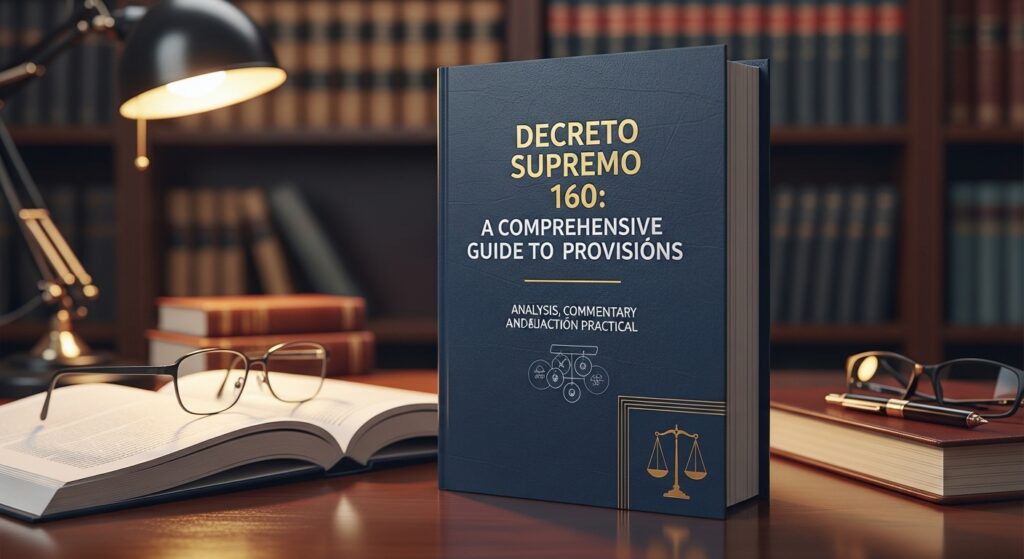
Decreto Supremo 160 is making waves in the regulatory landscape. As a pivotal piece of legislation, it has captured the attention of businesses, individuals, and legal experts alike. But what exactly does this decree entail? Understanding its provisions can feel overwhelming at first glance. However, breaking it down reveals insights that are crucial for compliance and strategic planning. Whether you’re an entrepreneur navigating new regulations or a citizen curious about your rights under this decree, grasping its implications is essential. Let’s dive into the details and uncover what Decreto Supremo 160 means for you and your future.
Purpose of the Decree
The purpose of Decreto Supremo 160 revolves around enhancing regulatory frameworks within specific sectors. It aims to streamline existing processes, making them more efficient for both public and private entities.
By establishing clear guidelines, the decree seeks to eliminate ambiguity that often hinders progress. This clarity promotes better compliance among businesses and individuals alike.
Moreover, it addresses key areas such as economic stability and environmental sustainability. By aligning with national goals, the decree supports long-term growth while safeguarding vital resources.
Decreto Supremo 160 endeavors to create a balanced approach between development and responsibility. Its comprehensive nature reflects an understanding of contemporary challenges faced by various stakeholders in society.
Key Provisions and Changes
Decreto Supremo 160 introduces several significant provisions that reshape existing regulations. One major change is the streamlined process for obtaining permits and licenses. This aims to reduce bureaucratic delays, making it easier for businesses to operate.
Another important aspect focuses on environmental standards. The decree establishes stricter guidelines to ensure sustainable practices across industries. Companies must now adhere to these new norms or face penalties.
Additionally, Decreto Supremo 160 addresses labor rights by enhancing protections for workers. It emphasizes fair wages and improved working conditions, reflecting a commitment to social responsibility.
Transparency is also a focal point of this legislation. Businesses are required to disclose more information about their operations, fostering trust with both consumers and regulatory bodies.
These changes mark a pivotal shift in how laws impact economic activities in the region, encouraging compliance while promoting ethical practices among organizations.
Impact on Businesses and Individuals
Decreto Supremo 160 has ushered in significant changes for both businesses and individuals. Companies now face new compliance requirements that can alter operational practices. These adjustments may lead to increased costs but also open avenues for innovation.
For small businesses, the decree presents challenges. Many lack resources to adapt quickly, which could affect their competitiveness. Conversely, larger corporations might find opportunities to streamline processes and increase efficiency.
Individuals are not left untouched either. Changes in regulations can impact employment rights and job security. Workers may need to navigate new conditions or benefits that come into effect as a result of this decree.
The overall landscape is shifting, making it essential for all parties involved to stay informed about these developments. Proactive engagement with the provisions will determine how well both businesses and individuals can thrive under this new regulatory framework.
Compliance and Enforcement
Compliance with Decreto Supremo 160 is a crucial aspect for both businesses and individuals. The decree outlines specific requirements that must be followed, emphasizing the importance of adherence to regulations.
Enforcement mechanisms are put in place to ensure compliance. Regulatory bodies have been tasked with monitoring activities and investigating potential violations. This adds a layer of accountability within various sectors.
Failure to comply can lead to significant consequences. Penalties may include fines or other legal actions, which serve as strong deterrents against non-compliance.
Education on these provisions is vital. Many organizations are offering workshops and resources, helping stakeholders understand their responsibilities under the new framework.
This proactive approach aims to create an environment where compliance becomes routine rather than an afterthought. Ongoing dialogue among industry players will also play a role in ensuring smooth implementation and enforcement of the decree’s guidelines.
Criticisms and Controversies
Decreto Supremo 160 has faced its share of criticisms since its introduction. Many argue that the provisions are overly complex and difficult to interpret. Businesses, particularly small enterprises, express concerns about compliance costs.
There are also worries regarding the potential for bureaucratic delays. Critics fear that these inefficiencies could hinder business operations rather than facilitate them. The lack of clarity in certain sections raises questions about enforcement practices.
Additionally, various advocacy groups highlight the negative impact on vulnerable populations. They claim some measures disproportionately affect low-income individuals and marginalized communities.
Debates continue over whether the decree truly addresses pressing issues or merely serves as a regulatory burden. Stakeholders await further clarifications from authorities to better understand how to navigate this new landscape effectively.
Conclusion
Decreto Supremo 160 has emerged as a pivotal regulation impacting various sectors. Its provisions aim to streamline processes and enhance compliance across the board. While it offers significant advantages, businesses and individuals must navigate its complexities carefully.
As with any regulatory change, reactions have varied. Some praise its forward-thinking approach, while others raise valid concerns about implementation challenges. The ongoing discussions around this decree reflect the dynamic nature of policy-making in response to societal needs.
Staying informed about Decreto Supremo 160 is essential for anyone affected by its guidelines. Awareness and understanding can lead to better preparedness and adaptability in facing these changes head-on.