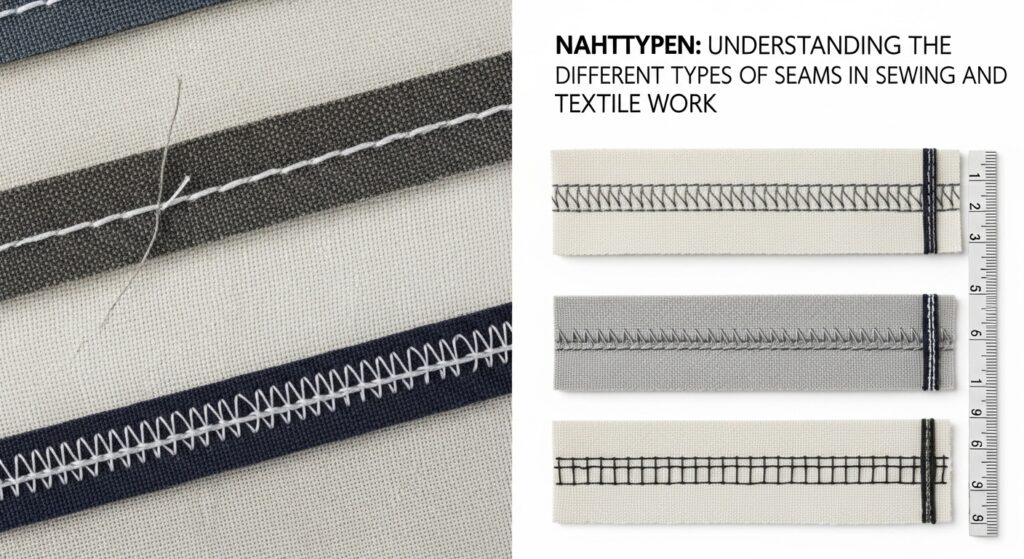
In sewing and textile construction, seams are more than just the lines that hold fabric together—they define the strength, appearance, and functionality of a garment or textile product. Nahttypen, the German term for “types of seams,” encompasses a wide range of sewing techniques used to join fabrics in clothing, upholstery, and other textile projects. Each seam type serves a specific purpose, whether for durability, stretch, decorative effect, or comfort.
Knowing the different nahttypen is essential for designers, tailors, and sewing enthusiasts. Choosing the right seam can impact garment longevity, aesthetics, and fit. This article explores the most common seam types, their characteristics, applications, and tips for creating professional-quality seams.
What Are Nahttypen?
Nahttypen refer to the various ways in which fabric pieces can be joined together in sewing. A seam is formed when two or more layers of fabric are stitched along a line, creating a finished edge.
The choice of seam depends on several factors:
-
Fabric type
-
Intended use of the garment or textile
-
Desired strength and flexibility
-
Visual appearance and design considerations
Seams are not only functional but can also serve as decorative elements, adding style and structure to a project.
Basic Seam Types
1. Plain Seam
The plain seam is the most commonly used seam in sewing. It involves placing two fabric pieces together with their right sides facing each other and stitching along the edge.
-
Suitable for most woven fabrics
-
Simple to sew and durable
-
Often finished with overlocking or zigzag stitching to prevent fraying
2. French Seam
A French seam encloses raw fabric edges, creating a neat finish on both sides. It is ideal for lightweight or sheer fabrics.
-
Provides a clean and professional look
-
Suitable for delicate fabrics like chiffon or organza
-
Involves sewing the fabric twice: first wrong sides together, then right sides together
3. Flat-Felled Seam
Flat-felled seams are strong and durable, often used in jeans, shirts, and workwear. The raw edges are folded under and stitched flat.
-
Offers extra strength and durability
-
Prevents fraying completely
-
Commonly used in heavy fabrics and garments that require reinforcement
4. Overlocked or Serger Seam
Overlocked seams use a serger machine to trim the fabric edge while stitching. This method is efficient and prevents fraying.
-
Ideal for knit fabrics
-
Creates flexible, stretchable seams
-
Provides a neat finish without the need for additional hemming
5. Welt Seam
Also called a bound seam, this type uses strips of fabric or bias tape to cover raw edges. It is decorative and provides additional strength.
-
Used in home textiles and tailored garments
-
Offers a polished, professional appearance
-
Adds visual detail to seams
6. Lapped Seam
In a lapped seam, one piece of fabric overlaps the other before stitching. This technique is common in outerwear and waterproof textiles.
-
Offers strength and resistance to strain
-
Can be decorative depending on stitching method
-
Useful for leather, denim, or heavy materials
Specialized Seam Types
1. Topstitched Seam
Topstitching involves stitching along the visible side of a seam for decorative or functional purposes.
-
Adds aesthetic appeal and reinforcement
-
Common in casual wear and denim garments
-
Enhances seam strength
2. Bound Seam
Bound seams encase raw edges with strips of fabric, tape, or bias binding.
-
Protects delicate edges
-
Decorative and functional
-
Often used in high-end garments and home décor projects
3. Hong Kong Seam
A Hong Kong seam is a type of bound seam where bias tape encloses raw edges on the inside of lightweight garments.
-
Neat, elegant finish for high-quality clothing
-
Prevents fraying on fine fabrics
-
Often used in tailored suits, coats, and dresses
4. Mock Flat-Felled Seam
This seam mimics the appearance of a flat-felled seam but is simpler to sew.
-
Combines aesthetic appeal with moderate strength
-
Ideal for casual garments
-
Provides a professional-looking finish without the extra labor
5. Welt and Corded Seams
These seams are reinforced with a cord or piping along the edge, adding strength and a decorative effect.
-
Common in upholstery and jackets
-
Adds texture and visual detail
-
Durable for heavy-use items
Choosing the Right Nahttyp
Selecting the correct seam type depends on several considerations:
-
Fabric type: Lightweight fabrics benefit from French seams, while heavy fabrics require flat-felled or lapped seams.
-
Intended garment use: Daily wear garments need durable seams, while decorative clothing may focus on aesthetic finishing.
-
Stretch requirements: Knit fabrics require seams that allow flexibility, such as overlocked seams.
-
Visibility: Seams meant to be decorative should enhance the garment’s style rather than just function.
Tips for Sewing Professional Seams
-
Always press seams after stitching to ensure a neat finish.
-
Trim fabric edges to reduce bulk in heavy fabrics.
-
Use appropriate thread tension and needle type for the fabric.
-
Test seams on scrap fabric before working on the final project.
-
Reinforce high-stress areas with backstitching or double stitching.
Attention to these details ensures seams that are strong, durable, and visually appealing.
Applications of Nahttypen
Nahttypen are essential in a wide range of sewing projects:
-
Apparel: Shirts, dresses, pants, jackets, and activewear all rely on appropriate seam types for durability and comfort.
-
Home textiles: Bedding, curtains, and cushions use seams to enhance both function and appearance.
-
Upholstery: Furniture and automotive interiors require strong, decorative seams for long-lasting performance.
-
Accessories: Bags, hats, and shoes incorporate specialized seams to withstand wear and tear.
Each application requires careful consideration of seam choice to balance strength, flexibility, and aesthetics.
Innovations in Seam Technology
Modern sewing technology has introduced advanced seam techniques and machines that simplify the process:
-
Serger machines create overlocked seams efficiently.
-
Specialized stitch patterns allow stretchable seams for athletic wear.
-
Laser-cut and heat-sealed seams are used in technical textiles and waterproof fabrics.
These innovations have expanded the range of nahttypen, making it easier to achieve professional results with less manual labor.
Common Mistakes to Avoid
-
Using the wrong seam for the fabric type, which can cause puckering or tearing.
-
Neglecting seam allowances, resulting in weak construction.
-
Failing to finish raw edges, leading to fraying over time.
-
Overloading heavy fabrics into lightweight seam techniques, reducing durability.
Awareness of these common errors helps in producing long-lasting, high-quality sewn items.
Conclusion
Nahttypen are fundamental to sewing, garment construction, and textile production. Understanding the different types of seams, their functions, and their applications allows both professionals and hobbyists to create durable, comfortable, and visually appealing pieces.
From basic seams like the plain and French seams to specialized techniques such as flat-felled, Hong Kong, and bound seams, each nahttyp serves a specific purpose. Choosing the right seam enhances garment longevity, aesthetic quality, and overall functionality. Mastering these techniques is essential for anyone looking to elevate their sewing projects to a professional standard.
Seams are not just lines of stitching—they are the backbone of every textile creation, combining practicality, strength, and artistry.