
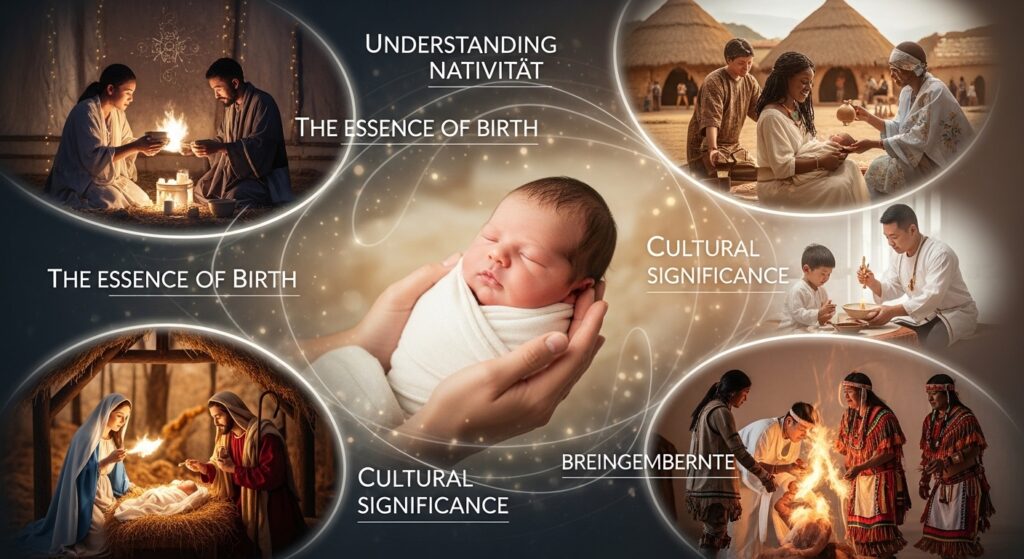
Birth is one of the most profound experiences in life. It marks the beginning of a new journey, filled with joy, challenges, and endless possibilities. Across cultures and history, the act of bringing forth new life has been celebrated in various ways, each carrying its unique significance and rituals. As we delve into the concept of Nativität—an exploration that transcends mere biological processes—we will uncover how different societies honor this pivotal moment and what it means for mothers, families, and communities alike. Step into a world where birth is not just an event but a rich tapestry woven with traditions, beliefs, and hopes for future generations.
The history and cultural variations of birth practices around the world
Birth practices have evolved significantly across cultures and time periods. In ancient Egypt, childbirth was often accompanied by rituals invoking deities for protection. Midwives played crucial roles in guiding women through labor.
In many Indigenous cultures, such as the Sami people of Northern Europe, childbirth is a community affair. Women gather to support the birthing mother with songs and traditional wisdom.
Asian cultures present diverse customs as well. For instance, in Japan, there’s a practice known as “shussan,” emphasizing family involvement during delivery. Meanwhile, some African communities celebrate birth with vibrant ceremonies that include dancing and feasting.
In Western societies today, medical advancements dominate the conversation around birth. However, alternative practices like home births are gaining traction among those seeking a return to natural methods rooted in tradition. Each culture offers unique perspectives on welcoming new life into the world.
Nativität: Definition and its significance in different cultures
Nativität, derived from the Latin term for birth, embodies more than just the act of bringing new life into the world. It represents a profound cultural phenomenon that shapes identities, values, and traditions across societies.
In many cultures, nativität is intertwined with spirituality. For instance, in some Indigenous communities, childbirth is celebrated as a sacred rite of passage. This moment signifies not only physical creation but also a connection to ancestral spirits.
Conversely, in Western contexts, nativität often emphasizes medical advancements and individualized experiences. Here lies an intriguing juxtaposition: while technology transforms birthing practices today, ancient customs still inform many families about their unique heritages.
Each culture’s interpretation of nativität reveals its beliefs about life itself—highlighting the importance placed on family bonds and community support during such pivotal moments. These diverse perspectives enrich our understanding of human experience around birth globally.
Rituals and traditions associated with birth in various cultures
Around the globe, birth is celebrated through rich rituals and traditions that reflect each culture’s beliefs.
In Hindu communities, the “Jatakarma” ceremony welcomes a newborn with prayers and blessings for their future. This intimate rite often involves whispering sacred sounds into the baby’s ear.
Conversely, in some African tribes, mothers undergo elaborate initiation ceremonies to prepare for childbirth. These gatherings emphasize communal support and cultural identity.
Japanese families partake in “Shichi-Go-San,” where children aged seven, five, or three are dressed in traditional attire to be blessed at shrines after birth.
Meanwhile, indigenous cultures may practice “Naming” ceremonies days after delivery. These events honor both mother and child while connecting them to ancestral spirits.
Each ritual not only celebrates life but also reinforces community bonds and shared values surrounding Nativität. The variety showcases humanity’s deep reverence for new beginnings across different societies.
Cultural beliefs surrounding childbirth and postpartum period
Cultural beliefs surrounding childbirth and the postpartum period vary widely across the globe. These beliefs often shape how families celebrate new life and support mothers during their recovery.
In many Indigenous cultures, for instance, childbirth is seen as a natural continuation of life. Rituals may include community gatherings to honor the mother and child. Support networks are essential in these societies, demonstrating that it takes a village to nurture new beginnings.
Conversely, some cultures impose strict practices on postpartum women. For example, in various Asian traditions, mothers may observe confinement periods where they rest and receive special care. This time allows them to heal physically while bonding with their newborn.
Beliefs also influence dietary restrictions or specific caregiving methods after birth. Each practice reflects deeper values about health, family roles, and respect for nature’s cycles—showing how interconnected culture is with the experience of motherhood.
Modern perspectives on nativität and its impact on maternal and child health
Modern perspectives on nativität emphasize the importance of holistic approaches to maternal and child health. Today, many cultures are blending traditional practices with contemporary medical insights.
Emphasis is placed on prenatal care that respects cultural beliefs while incorporating evidence-based medicine. This fusion aims to create a supportive environment for expectant mothers.
Mental health has also gained recognition as a critical aspect of childbirth. The psychological well-being of mothers can greatly influence outcomes for both them and their newborns.
Support systems are evolving too, with community programs celebrating the significance of birth rituals. These initiatives empower women by acknowledging their experiences and fostering connections among families.
Health professionals increasingly advocate for personalized care plans that honor individual traditions. By integrating nativität into healthcare, we enhance overall experiences during one of life’s most transformative moments.
Conclusion
The concept of Nativität encapsulates the profound significance of birth across different cultures. Each society has its unique rituals and traditions that celebrate this sacred event, reflecting their beliefs and values. From ancient practices to modern perspectives, the essence of childbirth remains a pivotal moment in human experience.
As we navigate through various cultural lenses, it becomes clear how deeply intertwined birth is with identity, community, and health. By understanding these diverse practices and beliefs surrounding Nativität, we glean insights into maternal and child health today. The reverence for life at its very beginning showcases humanity’s shared joy while highlighting the rich tapestry of human experience.
Through awareness and appreciation of these differences, we can foster respect for all cultures’ approaches to childbirth. This journey begins by acknowledging the importance placed on nurturing new life—a bond that transcends boundaries and unites us in our shared journey as caretakers of future generations.