
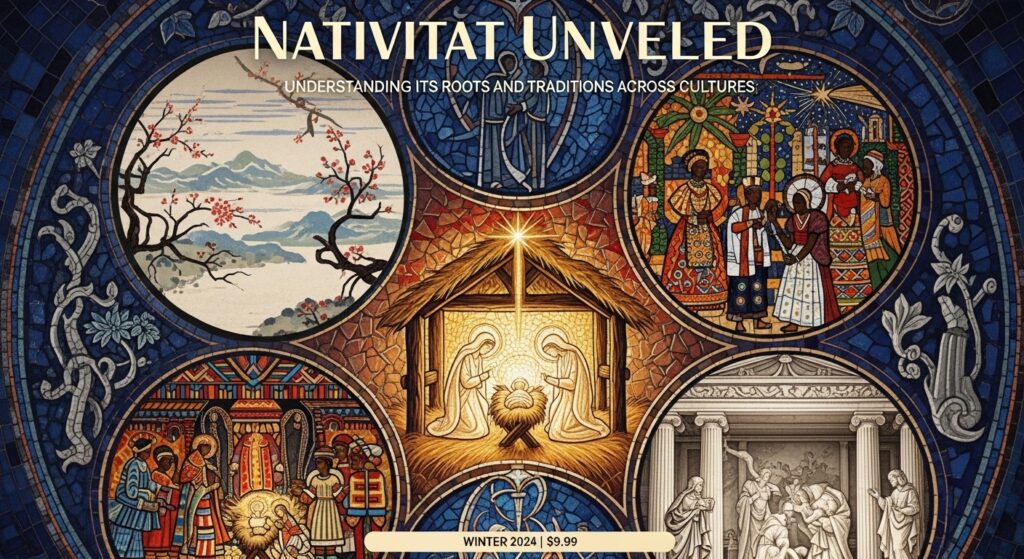
As the holiday season approaches, a wave of warmth and joy washes over communities around the world. Among the many cherished traditions that emerge during this time, nativität stands out as a profound representation of love, hope, and new beginnings. But what exactly is nativität? This concept transcends mere decorations or festive gatherings; it embodies stories passed down through generations and reflects diverse cultural expressions.
From quaint villages to bustling cities, nativity scenes capture hearts with their enchanting depictions of the birth of Jesus Christ. Yet nativität isn’t just confined to one culture or tradition—it weaves its way into various customs across different societies. Each variation adds depth to our understanding of this timeless celebration.
Join us on a journey as we explore the origins and history behind nativität, uncovering its rich tapestry woven from threads of faith, artistry, and community spirit. Let’s delve into how people worldwide honor this beautiful event while discovering what unites us all in this shared experience.
Origins and history of Nativity
The origins of Nativität trace back to the early Christian tradition. It centers around the birth of Jesus Christ, celebrated by millions worldwide. The story unfolds in Bethlehem, where Mary and Joseph sought shelter.
By the 4th century, the Nativity was formalized within church liturgies. Artists began depicting this sacred moment through paintings and sculptures. These images made their way into homes and public spaces, fostering deeper connections to faith.
In medieval Europe, live Nativity scenes gained popularity during Christmas celebrations. This practice allowed communities to experience the narrative firsthand. Traditional elements like manger animals added life to these reenactments.
Throughout history, diverse cultures have embraced Nativität differently while maintaining its core message of hope and joy. Each adaptation reflects unique customs yet shares a common thread—celebrating new beginnings through love and compassion.
Nativity traditions in different cultures
Nativity traditions vary widely across cultures, showcasing unique interpretations of this cherished theme. In Latin America, vibrant Posadas celebrate Mary and Joseph’s journey with lively processions and festive gatherings.
In Italy, the tradition of creating elaborate presepi (nativity scenes) reflects regional craftsmanship. Each scene often includes local figures and familiar landscapes, bringing a personal touch to the story.
In Spain, families gather for Nochebuena on Christmas Eve to enjoy a feast that culminates in festivities featuring carols and communal prayers. The focus may shift slightly from gifts to family togetherness.
Meanwhile, in Eastern Orthodox countries like Greece and Russia, the Nativity is celebrated later due to different calendars. Traditions include fasting before the feast day followed by joyous gatherings filled with traditional dishes.
Across these diverse practices lies a shared reverence for the Nativity story that transcends borders.
The symbolism behind Nativity scenes and decorations
Nativity scenes are rich in symbolism, representing the essence of hope and new beginnings. The figures often depict Mary, Joseph, and baby Jesus in a humble setting. This simplicity emphasizes humility and love.
Each character plays a vital role. Mary symbolizes purity and motherhood, while Joseph represents protection and guidance. Baby Jesus stands for divine light entering the world.
Animals frequently surround the scene; they remind us of nature’s connection to humanity. The stable itself signifies warmth amidst adversity.
Stars shining above guide believers toward faith. Often depicted as bright or unique, it invites reflection on one’s spiritual journey.
Colors also add layers of meaning—gold suggests royalty, blue embodies serenity, and white denotes peace. Together, these elements create a narrative that transcends cultures.
Through these intricate details, Nativity scenes convey powerful messages about compassion and unity during festive times.
How Nativity is celebrated around the world
Nativity celebrations vary widely across the globe, reflecting unique cultural traditions. In Latin America, vibrant fiestas often accompany the Nativity scene. Families gather for “Las Posadas,” reenacting Mary and Joseph’s search for shelter.
In Italy, elaborate presepi are crafted with stunning detail. These miniature displays may include local figures and landscapes, symbolizing a connection to community history.
Moving north to Germany, Christmas markets showcase handcrafted nativity scenes made from wood or straw. Here, the focus is on craftsmanship and tradition.
In Ethiopia, Christians celebrate Christmas in January with special services at churches adorned with colorful fabrics depicting the Nativity story.
Each culture adds its own flavor to this timeless narrative of hope and joy. From music to food, these diverse expressions enhance our understanding of the Nativity’s significance around the world.
Controversies surrounding the celebration of Nativity
The celebration of Nativität isn’t free from controversy. Many discussions arise around the public display of Nativity scenes, especially in secular spaces.
Some argue that these displays promote a specific religious viewpoint and should be limited to private settings. Others believe they represent cultural heritage deserving recognition.
Debates can intensify when local governments authorize funding for public Nativity installations while denying resources for other holiday traditions, leading to claims of inequality.
Furthermore, artistic interpretations of Nativity figures sometimes spark outrage. Different portrayals can challenge traditional narratives or offend particular groups.
People also raise questions about commercialization. The shift towards consumerism during the festive season often overshadows the event’s spiritual significance.
These controversies reflect broader societal tensions regarding faith, culture, and freedom of expression within modern communities.
Conclusion: The common thread that unites us through Nativity celebrations
The beauty of Nativität lies in its ability to connect people across different cultures and traditions. Regardless of the variations in celebration, the essence remains rooted in themes of hope, joy, and community. From elaborate displays that depict the birth of Jesus to simpler representations emphasizing family togetherness, each culture brings a unique touch to this age-old tradition.
As families gather around their Nativity scenes or partake in local festivities, they participate in a shared narrative that transcends geographical boundaries. The values celebrated through Nativität foster understanding and compassion among diverse groups.
Even amidst controversies surrounding how we honor these traditions today, one thing is clear: every portrayal and practice serves as a reminder of our common humanity. Through Nativität celebrations worldwide, we find moments that unite us all—moments filled with love, reflection, and connection during this special time of year.