
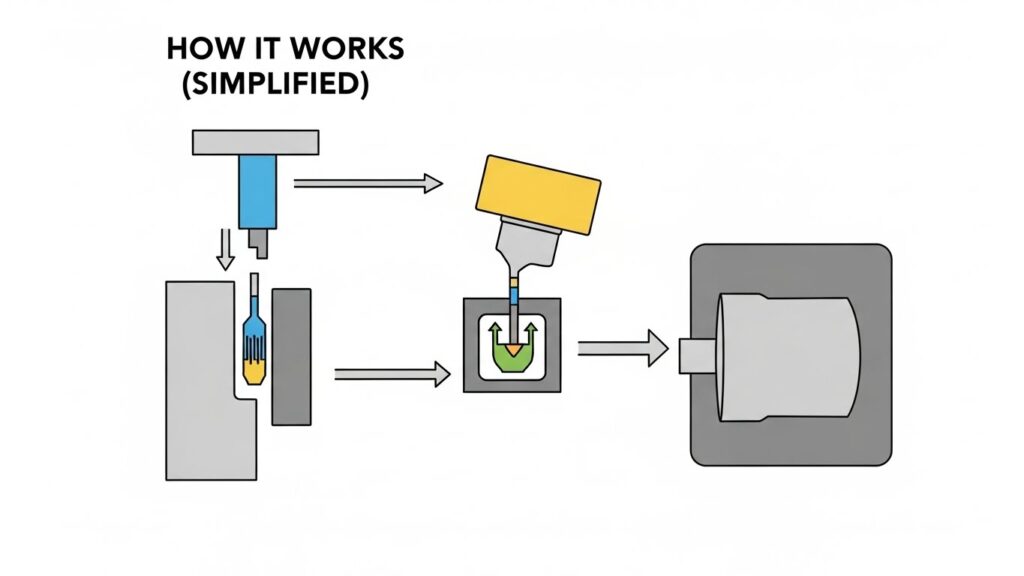
The world of mold technology is rapidly changing, and at the forefront of this revolution is RepMold. This innovative approach promises to reshape industries by enhancing efficiency, reducing costs, and improving product quality. As businesses strive for sustainability and adaptability in an ever-competitive market, understanding RepMold becomes essential. Whether you’re in manufacturing, design, or engineering, grasping the intricacies of this cutting-edge technology can give you a significant edge. Let’s dive into what makes RepMold a game-changer in today’s industrial landscape.
What is RepMold Technology?
RepMold technology represents a groundbreaking approach in the world of mold creation. At its core, it utilizes advanced materials and techniques to produce molds with exceptional accuracy and efficiency.
Unlike traditional methods that often rely on metal or wood, RepMold integrates innovative polymers and composites. This shift allows for lighter weight molds that still maintain structural integrity.
The process is highly customizable, enabling manufacturers to tailor designs according to specific requirements. As a result, businesses can achieve faster turnaround times while reducing material waste.
Another key aspect of RepMold is its ability to offer intricate designs that were previously difficult or impossible to create using conventional techniques. This opens up new avenues for creativity across various industries.
In essence, RepMold technology elevates mold-making into an art form driven by precision and flexibility. Its implications are vast, making it a game-changer in today’s manufacturing landscape.
Advantages of Using RepMold Compared to Traditional Mold Techniques
RepMold technology offers significant benefits over traditional mold techniques. One of the most notable advantages is its speed. RepMold allows for rapid prototyping, enabling manufacturers to bring their products to market faster.
Another key benefit lies in precision. This advanced technology ensures a higher degree of accuracy in mold creation, reducing errors and waste. The result is often a more efficient production process overall.
Cost-effectiveness also stands out with RepMold. By minimizing material wastage and optimizing production cycles, businesses can enjoy lower operational expenses while maintaining quality standards.
Environmental impact is yet another advantage worth mentioning. With less material usage and reduced energy consumption, RepMold promotes sustainability in manufacturing practices—something increasingly important today.
These factors make RepMold an appealing choice for industries looking to innovate while streamlining operations.
The Evolution of Mold Technology: From Traditional to RepMold
Mold technology has come a long way since its inception. Traditional methods relied heavily on manual craftsmanship and time-consuming processes. Skilled artisans shaped molds from metal or wood, often leading to inconsistencies in quality.
With the rise of industrialization, these techniques evolved. The introduction of injection molding streamlined production but still faced limitations such as material waste and longer lead times.
Enter RepMold—a game changer in mold technology. This innovative approach utilizes advanced materials and 3D printing techniques to create highly precise molds faster than ever before. It reduces waste significantly while enhancing design flexibility.
RepMold represents a shift towards automation and efficiency that the industry desperately needed. As manufacturers embrace this modern method, they leave behind outdated practices for a more sustainable future with limitless possibilities in design and functionality.
The Impact of RepMold on Various Industries
RepMold technology is revolutionizing multiple sectors, pushing boundaries and enhancing efficiency. In manufacturing, it streamlines production processes by allowing for quicker mold creation and reduced material waste.
The automotive industry benefits significantly from RepMold’s precision. Manufacturers can produce lightweight components with intricate designs that improve fuel efficiency and performance.
In the medical field, customized molds are crucial for creating specialized devices or prosthetics tailored to individual needs. RepMold meets this demand rapidly while ensuring high-quality standards.
Consumer goods also see a transformation as companies leverage RepMold to quickly adapt their products based on market trends. This agility helps businesses stay ahead of competition.
Even in construction, where mold technology plays a vital role in prefabricated structures, Rep Mold offers innovative solutions that enhance durability and reduce costs.
Each sector experiences unique advantages from adopting this cutting-edge technology, showcasing its versatility across diverse applications.
Challenges and Limitations of RepMold Technology
Rep Mold technology, despite its many advantages, isn’t without challenges. One notable issue is the initial investment required for equipment and setup. This can deter smaller manufacturers from adopting the technology.
Another limitation lies in material compatibility. Not all materials work seamlessly with RepMold processes. This restricts its application across various sectors.
Moreover, while RepMold offers speed and efficiency, it may not always match the precision of traditional methods for complex designs. Fine details might suffer during production.
Training personnel to operate new machinery poses additional hurdles. The learning curve can delay implementation and increase costs initially.
As with any emerging technology, ongoing research is necessary to address these limitations fully. Balancing innovation with practicality remains a critical focus for future developments in RepMold applications.
Future Predictions for the Development of RepMold
The future of RepMold technology holds exciting possibilities. As research continues, we can expect advancements in materials used for mold production. Innovations will likely enhance durability and flexibility, opening new avenues for applications.
Artificial intelligence may play a crucial role in optimizing the design process. Smart algorithms could analyze parameters to create more efficient molds with minimal waste. This would not only save costs but also benefit the environment.
Moreover, as industries become increasingly focused on sustainability, Rep Mold is poised to adapt by incorporating eco-friendly practices. The demand for biodegradable or recyclable materials could reshape manufacturing processes.
Collaboration between tech companies and traditional manufacturers might also accelerate development. By pooling resources and expertise, they can tackle challenges that have hindered widespread adoption thus far.
The trajectory of Rep Mold technology suggests a shift towards greater efficiency and innovation across various sectors.
Conclusion
RepMold is more than just a technological advancement; it represents a shift in how industries approach mold-making processes. As we’ve explored, Rep Mold technology offers numerous advantages over traditional methods, including enhanced precision and reduced production costs. The evolution from conventional techniques to RepMold demonstrates the relentless pursuit of innovation within various sectors.
Industries ranging from automotive to healthcare are beginning to recognize the profound impact that RepMold can have on their operations. While there are challenges that still need addressing—such as material limitations and scaling issues—the potential for future developments remains significant.
As manufacturers continue to adopt this cutting-edge technology, we can anticipate a transformative era ahead for mold design and manufacturing processes. With ongoing research and advancements, the journey of RepMold is just at its beginning stages. It will be fascinating to witness how this technology shapes our world in the coming years.